
Step-by-Step Breakdown of the Portfolio Monitoring Process for Private Equity
The portfolio monitoring process in private equity now drives value creation, risk management, and LP confidence. Using AI-powered tools like Kairos by Brownloop, firms streamline data collection, reporting, and decision-making to gain real-time insights and a competitive advantage.
Published on:
PE Life Cycle
The portfolio monitoring process in private equity now drives value creation, risk management, and LP confidence. Using AI-powered tools like Kairos by Brownloop, firms streamline data collection, reporting, and decision-making to gain real-time insights and a competitive advantage.
Introduction
Portfolio monitoring in private equity has undergone a seismic shift. What was once perceived as a back-office, quarterly compliance exercise is now a real-time strategic lever that determines whether firms deliver on their investment thesis, create measurable value, and build lasting credibility with LPs. With mounting pressures from regulators, LP expectations, and increasingly competitive deal environments, private equity firms can no longer afford manual, fragmented, and reactive monitoring practices.
In this in-depth guide, we will walk through the portfolio monitoring steps, covering everything from data collection in portfolio monitoring to continuous improvement. We will also show how firms are using Kairos by Brownloop, an AI-native platform purpose-built for private equity, to operationalize these steps with speed, precision, and scale.
Brownloop helps you track KPIs, detect risks early, and drive better returns across your portfolio.
Why Portfolio Monitoring Matters in Private Equity
Ensure thesis delivery
Linking performance directly back to the underwritten deal model and validating whether EBITDA growth, margin expansion, or operational efficiencies are on track.
Identify risks early
Detecting slippage in KPIs or external market risks before they escalate.
Support LP confidence
Delivering timely, transparent, and standardized reporting that builds trust.
Drive exit readiness
Poor monitoring, on the other hand, leads to delayed exits, underreported risks, fragmented communication, and value leakage. In today’s competitive environment, continuous portfolio monitoring has become non-negotiable.
Key Components of an Effective Portfolio Monitoring Process
KPIs: Financial & Operational
PE firms need to track KPIs consistently across all portfolio companies. Common metrics include EBITDA, CAGR, gross margin, cost levers, and working capital. However, inconsistent reporting formats across portcos often make comparisons unreliable.
With Kairos’ Financial Data Aggregator, these issues are resolved. The AI agent standardizes data from disparate sources like spreadsheets, PDFs, and ERP exports into a unified, comparable format. This ensures that deal teams, operating partners, and finance teams are speaking the same data language, empowering better portfolio monitoring software outcomes.
Benchmarking and Risk Identification
Benchmarking across vintages, funds, and sectors is often handled manually. Comparing IRR, MOIC, and DPI requires standardization and historical context. Without automated portfolio monitoring, this process is error-prone and time-consuming.
Kairos by Brownloop enables automated benchmarking by consolidating fund-level and deal-level data into live dashboards. It tracks performance relative to fund targets and quickly identifies deviations.
Real-Time Data and Reporting
Gone are the days when quarterly spreadsheets could suffice. LPs and ICs now demand always-on portfolio monitoring tools. Manual spreadsheet consolidation not only slows down reporting but also increases the risk of inaccuracies.
Kairos replaces static reporting with dynamic dashboards and interactive insights. Portfolio teams gain continuous access to live data, while IR teams can respond instantly to LP queries through Quarterly Reporting Assistants.
Stakeholder Communication
Strong monitoring ensures all stakeholders’ deal teams, finance, operating partners, and LPs work off the same data. With Kairos, firms create a single source of truth that integrates portfolio data, financial performance, and risk assessments. This unified approach strengthens communication with ICs, LPs, and boards.
The Step-by-Step Portfolio Monitoring Process

Step 1: Data Collection and Integration
The first step is data collection in portfolio monitoring, typically from portfolio companies, fund administrators, and market feeds. Conventionally, this process is filled with inefficiencies. Portcos sends Spreadsheet files in varying formats, fund admins provide delayed updates, and CRM data remains siloed.
Kairos’ Financial Data Aggregator harmonizes inputs across these sources, integrating seamlessly with Spreadsheet models, PDFs, CRMs, and fund admin systems. This creates a unified, continuously updated dataset.



Step 2: Data Validation and Cleansing
Data validation in private equity is critical. Inconsistent definitions (e.g., whether EBITDA is adjusted or GAAP-based, or how churn is calculated) create confusion and misaligned decisions. Manual validation is both slow and error-prone.
Kairos standardizes key terms and metrics across the board. Automated cleansing ensures definitions are applied consistently, creating a trusted foundation for analysis.
Step 3: Performance Tracking and Analysis
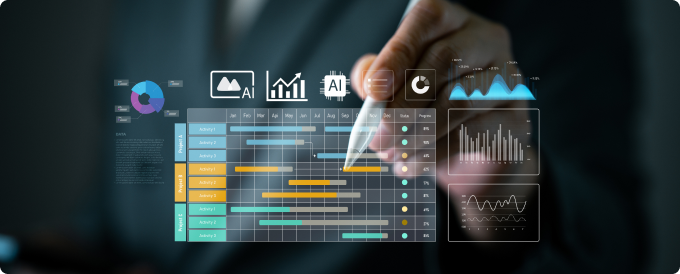
Portfolio monitoring must go beyond tracking outputs; it should measure performance against the original investment thesis. For example, if the thesis hinged on a 15% CAGR or cost optimization, portfolio managers need to know whether these drivers are materializing.
Kairos links actual performance back to the underwritten deal model. ROI analysis, EBITDA bridges, and margin expansion progress are automatically surfaced in dashboards, enabling clear tracking against expectations. This exemplifies the power of AI-powered portfolio analysis.
Step 4: Risk Identification and Management
Kairos uses real-time dashboards and risk alerts to flag underperformance. The Operational Metrics Collector tracks market and regulatory signals, while automated alerts highlight deviations from plan. This allows firms to act before risks cascade.
Step 5: Reporting and Communication
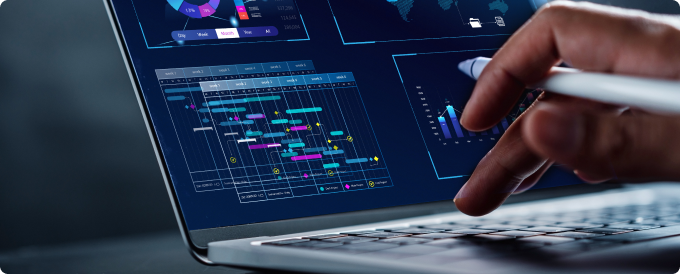
Kairos streamlines this process. The Quarterly Reporting Assistant automates ILPA-compliant report generation, while the LP Email Response Assistant enables real-time responses to LP queries. Instead of chasing data, teams can focus on strategic commentary. This demonstrates the benefits of private equity automation.


Step 6: Strategic Decision-Making and Action
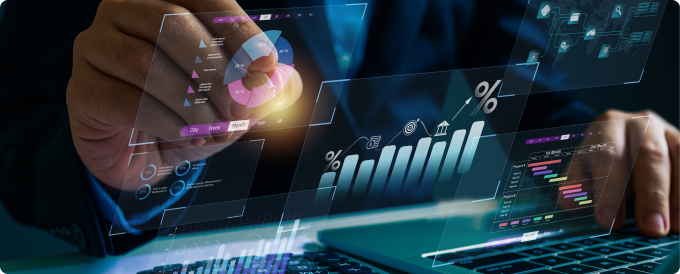
Monitoring is not just about hindsight; it should drive action. With Kairos’ Portfolio Chat, decision-makers can query live data across all portcos. The ROI Tracker and Performance Commentary Assistant provide contextual insights, equipping teams for board meetings and IC reviews.
This enables faster, more confident decisions from operational course corrections to exit readiness planning.
Step 7: Continuous Improvement and Feedback Loops
The best firms treat monitoring as a continuous portfolio monitoring engine. Value creation plans should be revisited regularly to track initiative progress.
Kairos’ Value Creation Plan Tracker logs milestones, flags delays, and compares realized vs. underwritten value. This ensures accountability and creates looped learning for future deals.
Choose the Right Portfolio Monitoring System
When selecting a private equity portfolio monitoring software, firms should evaluate solutions based on:
Data centralization
Can it integrate data from CRMs, fund admins, and portcos?
Automation & AI
Does it automate cleansing, benchmarking, and reporting?
Adoption and scalability
Will portcos embrace the system across geographies and tech stacks?
Purpose-built for PE
Is the platform designed for private equity portfolio management, or is it a generic BI tool?
Kairos stands out by meeting all these criteria. Its specialized AI agents, Financial Data Aggregator, Value Creation Plan Tracker, Portfolio Chat, and Performance Commentary Assistant, are designed specifically for portfolio monitoring of private equity. Unlike generic platforms, Kairos is built with an understanding of IRR, MOIC, and exit timing.
For example, a leading private equity firm consolidated reporting across its portfolio companies using Kairos, reducing quarter-end timelines and increasing visibility into value drivers, a competitive advantage in fast-moving markets.
Conclusion
The portfolio monitoring process has moved from reactive compliance to proactive value creation. In an industry where exit multiples, hold periods, and LP trust determine performance, the firms that master monitoring will define the next decade of private equity.
Kairos by Brownloop by Brownloop empowers firms to:
- Move from spreadsheets to AI-driven, automated portfolio monitoring
- Enable multi-source integration to deliver a comprehensive view, i.e., Portfolio 360
- Detect risks before they escalate
- Ensure thesis delivery and accountability
- Provide LPs with transparent, ILPA-compliant reporting
Portfolio monitoring is a strategic differentiator. Firms that adopt modern, AI-enabled monitoring will not just keep pace with market demands but will set the benchmark for operational spreadsheet lens.
Frequently Asked Questions
 What are the main goals of portfolio monitoring in private equity?
What are the main goals of portfolio monitoring in private equity? The goals are to track performance against the investment thesis, ensure value creation, detect risks early, support LP reporting, and guide exit strategies.
How does AI improve portfolio monitoring?
How does AI improve portfolio monitoring? AI enables real-time portfolio monitoring tools, automated benchmarking, and risk flagging. Platforms like Kairos by Brownloop provide contextual insights, eliminating manual processes and accelerating decision-making.
How frequently should portfolio monitoring be conducted?
How frequently should portfolio monitoring be conducted? While quarterly reporting remains standard, leading firms have moved toward continuous portfolio monitoring with live dashboards, real-time alerts, and predictive intelligence.
Who is responsible for portfolio monitoring within a private equity firm?
Who is responsible for portfolio monitoring within a private equity firm? Typically, Portfolio Analysts, Operating Partners, and Heads of Value Creation lead monitoring efforts, supported by finance and tech teams.
What types of reports are generated during portfolio monitoring?
What types of reports are generated during portfolio monitoring? - ILPA-compliant quarterly reports
- Board decks and IC packs
- Value creation trackers
- Risk dashboards
- Exit readiness reports
Brownloop helps you track KPIs, detect risks early, and drive better returns across your portfolio.


